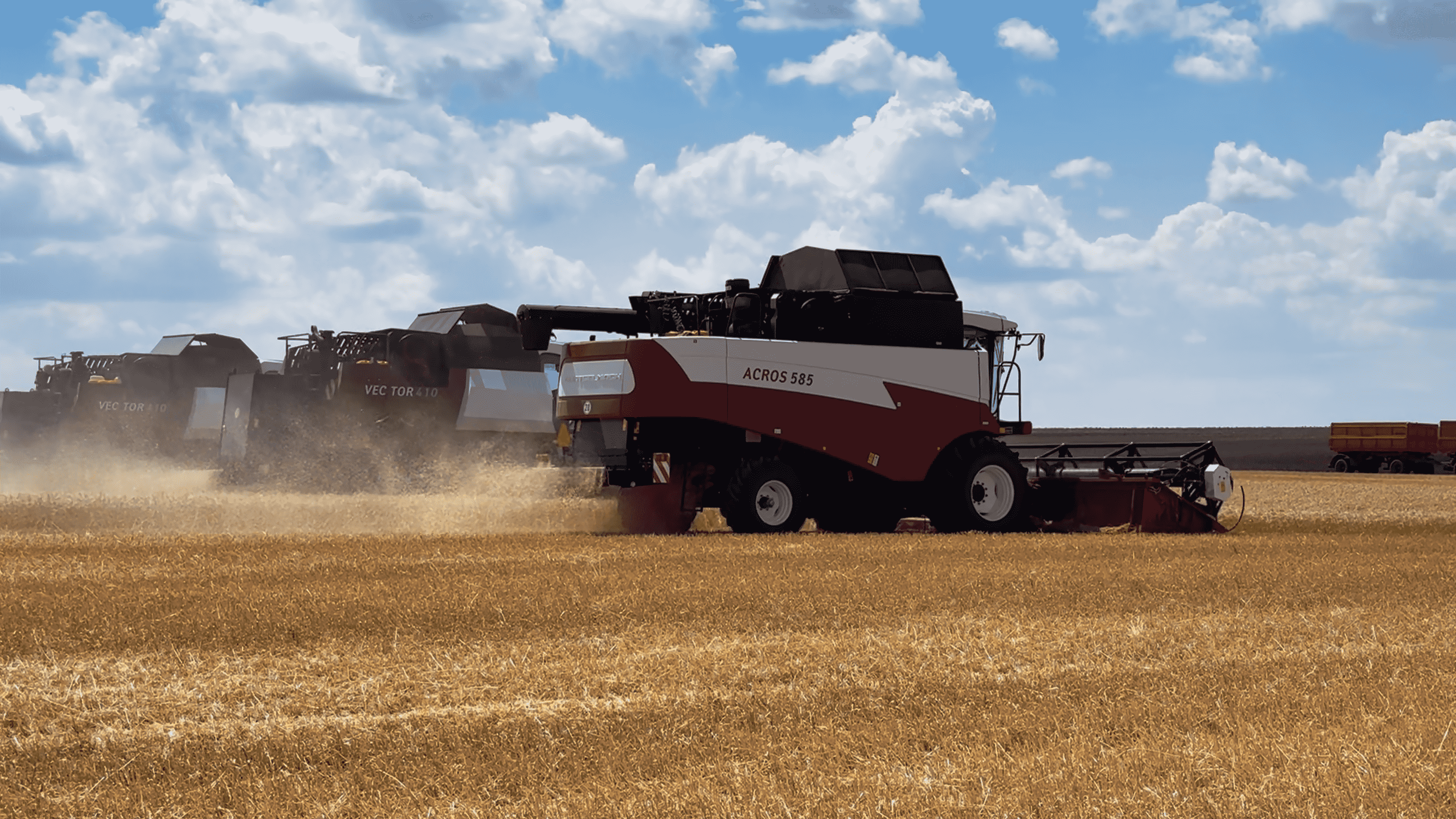
Modern agriculture depends on accurate information and efficient field operations. Farmers use digital tools to improve the management of planting, spraying, and harvesting tasks. Among these technologies, satellite positioning and automated steering systems have become important solutions for agricultural machinery.
A reliable supplier needs to understand both farming requirements and technical applications. This article explains the factors that influence the quality of agricultural navigation solutions and introduces how EFIX provides auto steering solutions for different farming scenarios.
How a GNSS Auto Steer System Manufacturer Supports Precision Farming
A GNSS auto steer system manufacturer needs to combine positioning technology, machine control, and agricultural knowledge. GNSS technology allows agricultural machines to receive location information from satellite signals. When combined with steering control systems, it helps tractors follow planned paths with improved accuracy.
The value of an auto steering system is not only based on hardware components. Software functions, compatibility with different machines, and system integration also affect daily operation. Farmers usually consider installation methods, operation processes, and maintenance requirements before selecting agricultural guidance equipment.
A practical agricultural navigation system normally includes several parts, such as GNSS receivers, control terminals, correction signal support, and steering components. These elements work together to provide location data and guide machine movement during field activities.
Key Factors Behind Agricultural Navigation System Quality
Positioning accuracy is an important factor in agricultural applications. Different farming tasks may require different levels of precision. For example, straight-line driving during planting can reduce overlap between working paths and help operators manage field operations more efficiently.
System compatibility is another important consideration. Agricultural machines from different manufacturers may have different structures and control interfaces. A suitable solution should be adaptable to various tractor models and working environments.
Durability also matters because farming equipment often works in outdoor conditions. Dust, vibration, temperature changes, and long working hours can affect electronic equipment. Product design needs to consider these practical conditions to support stable field use.
How Automatic Steering Technology Supports Farm Operations
Automatic steering technology changes the way operators manage agricultural machinery. Traditional manual driving requires constant attention to maintain a straight path. With navigation assistance, operators can focus more on monitoring equipment and field conditions.
The application of GNSS technology covers many agricultural activities. These include land preparation, seeding, fertilizing, and crop protection. Accurate navigation helps create consistent working routes, which is useful for repeated operations across large fields.
Modern systems also provide digital information during operation. Farmers can review machine position, working routes, and task progress. This data supports better planning for future agricultural activities and improves understanding of field performance.
EFIX Auto Steering Solutions for Agricultural Machinery
As an agricultural technology company, EFIX focuses on providing intelligent farming solutions based on GNSS positioning and automation technologies. They offer auto steering systems designed for tractors and agricultural machinery, helping users integrate navigation functions into existing equipment.
Their auto steering solutions include products such as the eSteer20 Max, eSteer10, and eSteer Ready systems. These solutions are designed for different application needs and support integration with various agricultural machines. The systems combine positioning technology with steering control functions for automated driving assistance.
The company also provides solutions related to system integration. They support different agricultural equipment applications through hardware and software development. This approach allows agricultural machinery manufacturers and users to select solutions according to their equipment requirements.
Technology Development Trends for Smart Farming Equipment
The development of smart farming continues to increase demand for digital agricultural tools. Farmers are looking for equipment that can provide accurate information and support more organized field management.
A GNSS auto steer system manufacturer needs to follow changes in agricultural practices and equipment design. Future solutions may focus on better data connection, easier installation, and wider compatibility with different machines.
Another important trend is the combination of navigation systems with other agricultural technologies. When positioning systems connect with farm management platforms and sensors, users can gain more information about field activities and equipment operation.
Choosing Suitable Agricultural Navigation Solutions
Selecting an agricultural navigation system requires attention to practical needs. Users should consider machine compatibility, operating environment, technical support, and system functions before making decisions.
Different farms have different requirements. A small agricultural operation may focus on simple guidance functions, while larger operations may need more integrated solutions. Understanding these differences helps users select equipment that matches their working conditions.
A professional supplier should provide clear product information and technical details. This allows customers to understand how the system works and how it can be applied in real farming situations.
Conclusion
Agricultural automation is developing through the combination of satellite positioning, machine control, and digital management. Reliable navigation solutions help farmers improve operational planning and create more organized workflows.
Companies like EFIX show how agricultural technology providers can connect GNSS capabilities with practical farming applications. By focusing on system design, product compatibility, and real-world use cases, they provide tools that support the ongoing development of smart farming.
