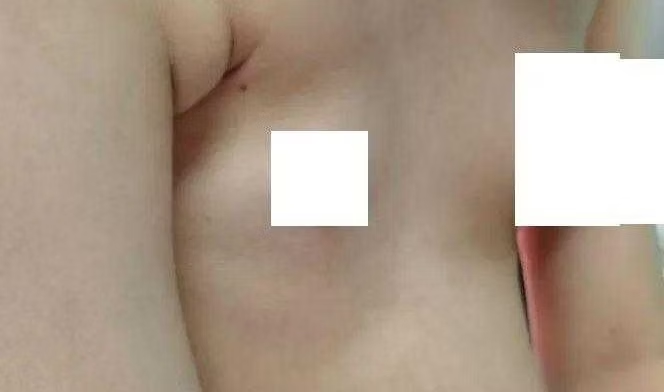
Poland syndrome presents with a wide spectrum of physical manifestations, and its impact varies significantly among individuals. While some patients experience minimal functional limitations, others may face challenges related to chest wall structure or upper limb development. Understanding these variations is important for appropriate clinical evaluation and management.
Assessing Clinical Impact
Poland syndrome primarily affects the chest wall and, in some cases, the ipsilateral upper limb, with considerable variability in severity. The clinical significance of these anatomical changes depends on the extent to which they affect physical function and daily activities. Key considerations include:
- Chest wall osseous and cartilaginous abnormalities
This category includes abnormalities of the ribs and costal cartilage, which may affect the structural stability of the thoracic cage. In cases with significant chest wall depression, respiratory mechanics may be compromised, particularly during physical exertion.
- Soft tissue abnormalities
This category includes the pectoralis major, pectoralis minor, and breast tissue. Variations in soft tissue development may contribute to visible chest wall asymmetry and functional or aesthetic defects.
- Ipsilateral upper limb abnormalities
This category includes deformities of the hand or wrist, such as syndactyly or brachydactyly, which may affect grip strength, dexterity, and fine motor function on the affected side.
Treatment Options at ICWS
For patients whose daily life is affected by the physical manifestations of Poland syndrome, surgical correction may help improve both function and appearance. The Institute of Chest Wall Surgery (ICWS) is dedicated to correcting chest wall deformities and reconstructing thoracic structures with innovative surgical techniques, so as to restore the appearance and integrity of the thorax.
For patients with skeletal depressions, the Wang Procedure or Willine Procedure can be used to correct the chest wall shape and improve symmetry. In selected cases involving bony defects, chest wall reconstruction may be considered, using either the patient’s own bone or artificial materials (such as MatrixRIB) to rebuild the thoracic framework. Soft tissue reconstruction focuses on underdeveloped or absent chest muscles and breast tissue. Together, these surgical approaches aim to improve structural integrity, restore functional strength, and enhance the overall thoracic profile of the patient.
Navigating Your Future with Poland Syndrome
Living with Poland syndrome can present varying physical and functional challenges. Early medical evaluation and appropriate management can help patients better understand their condition and address associated concerns, which may support improved function and quality of life.
