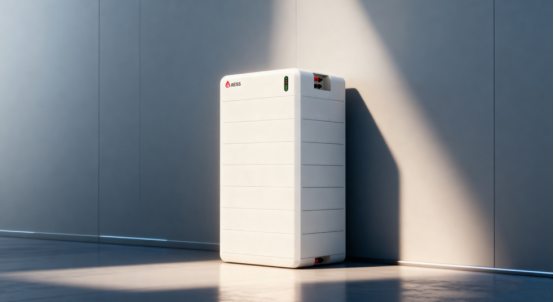
Industrial sectors often require robust methods to manage electrical power effectively. As facility managers look for ways to stabilize energy usage, the role of a lithium ion battery storage cabinet becomes increasingly significant. These units provide necessary support for energy systems, allowing for the organized collection and distribution of power across diverse operational environments.
Industrial Peak Shaving and Load Management
Facilities frequently experience spikes in energy consumption that result in higher costs. By implementing a high-capacity battery cabinet, companies can store energy during low-demand periods and deploy it when consumption rises. This process helps balance the load on site infrastructure, ensuring that power remains available without causing stress on the utility grid. Atess focuses on providing hardware that integrates into existing electrical panels, supporting efficient energy circulation and consumption patterns.
Backup Support for Critical Infrastructure
Reliability remains a primary concern for data centers, medical facilities, and telecommunications sites. A lithium ion battery storage cabinet acts as a buffer, offering instant access to stored power during unexpected utility outages. When a primary supply drops, these systems switch to support essential operations, which helps avoid data loss or equipment downtime. Atess develops modular hardware designed to respond rapidly to these power events, ensuring that secondary systems remain functional during critical gaps in grid connectivity.
Renewable Energy Integration
Integrating solar or wind power into a facility setup requires a stable interface to manage energy availability. A well-configured battery cabinet captures excess electricity produced during peak generation hours, which allows for consistent power usage throughout the night or on cloudy days. Because these systems are designed to interact with energy management software, they ensure that the stored electricity is utilized efficiently. By organizing energy flows, these units prevent waste and increase the overall utility of renewable generation sources.
Conclusion
Effective energy management depends on the deployment of durable storage hardware. Through the use of advanced cabinets, facility operators can store electricity, manage load fluctuations, and provide emergency support for critical operations. This methodical approach to energy storage assists in creating resilient electrical systems capable of meeting various industrial demands.
