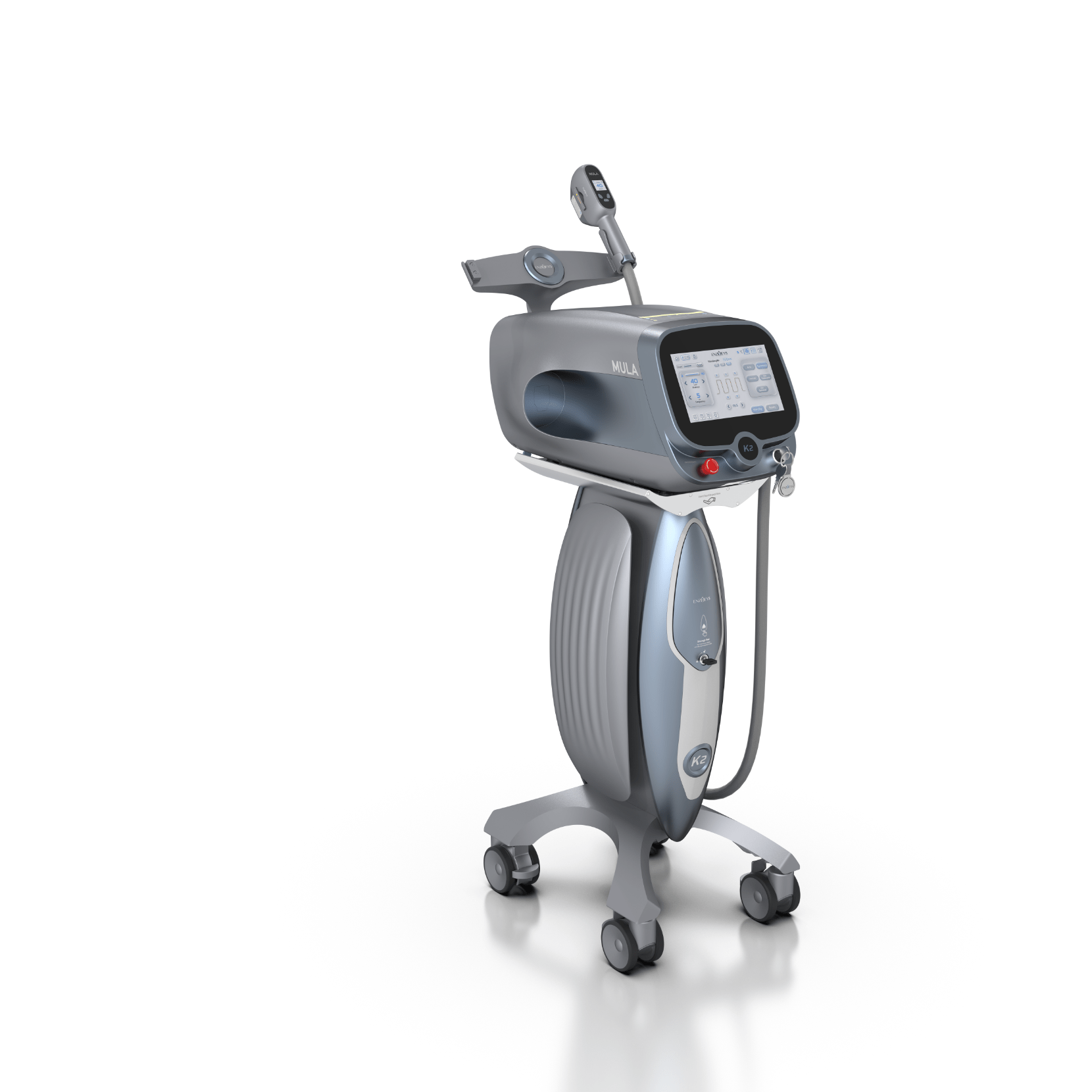
Chronic solar exposure leads to complex structural modifications across epidermal and dermal layers, often manifesting as irregular pigmentation, persistent diffuse erythema, and telangiectasias. Integrating a versatile IPL skin rejuvenation machine allows clinical facilities to emit multi-spectrum light energy that targets these diverse chromophores simultaneously. System developers like ENZOEYS refine light delivery architectures to give clinicians greater control over treatment parameters for different applications.
Understanding the mechanics of broad-spectrum phototherapy requires evaluating how variable wavelength pulses interact with cutaneous chromophores. Examining pulse modulation, energy customization, and operational workflows illustrates why pulsed light remains a core modality in non-invasive aesthetic medicine.
Photothermal Mechanisms of Solar Damage Mitigation
Solar ultraviolet radiation accelerates epidermal melanin synthesis while inducing structural degradation within superficial dermal capillaries. Broad-spectrum light emission targets both melanin granules and intravascular hemoglobin through selective photothermolysis.
Absorbed light converts rapidly into thermal energy within target structures, coagulating damaged micro-vessels and fragmenting excessive melanin deposits. Natural metabolic processes subsequently clear cellular debris over successive weeks, resulting in improved skin clarity.
Dual Operational Modes for Preset and Custom Parameters
Configuring treatment parameters accurately determines clinical safety, particularly when treating sensitive or dark phototypes. Operating an IPL hair removal and skin rejuvenation machine with dual interface options helps operators balance setup speed with custom parameter flexibility.
Systems equipped with quick-switching A/B operational modes streamline treatment execution significantly. Mode A offers preset pulse and energy parameters for most skin types, whereas Mode B allows operators to customize parameters for individual skin types.
Fine-Tuning Pulse Dynamics and Interval Duration
Controlling energy delivery profiles prevents excessive heat accumulation within surrounding epidermal tissue during broad-spectrum treatments. Modulating individual pulse structures allows thermal energy to dissipate safely between rapid energy bursts.
Allowing an adjustable number of photon outputs, duration, and interval time gives clinicians precise control over thermal relaxation parameters. Customizing sub-pulse timing protects the stratum corneum while maintaining therapeutic temperatures within deeper vascular or pigmented targets.
Target Chromophore Dynamics and Vascular Response
Erythema and dilated facial capillaries absorb specific green and yellow light wavelengths within the broad-spectrum emission band. Targeted heating coagulates endothelial linings without disrupting overlying skin layers.
Gradual thermal coagulation leads to vessel collapse and subsequent reabsorption by the body’s lymphatic network. Controlled vascular clearance reduces persistent facial redness while improving overall cutaneous tone.
Managing Dyschromia and Epidermal Pigment Clearing
Lentigines, freckles, and localized hyperpigmentation contain concentrated melanin deposits within upper epidermal layers. Short wavelength pulses interact strongly with these superficial chromophores, initiating mild micro-crusting. This type of temporary epidermal response may occur after treatment as superficial pigmented areas undergo the post-treatment clearance process.
Fragmented melanin particles slough off naturally through normal epidermal turnover within one to two weeks following treatment. Utilizing a high-performance IPL skin rejuvenation machine can support pigmentation treatments across areas such as the face, neck, and décolletage.
Multi-Application Capabilities for Practice Efficiency
Consolidating multiple treatment applications into one platform minimizes device footprint and optimizes capital expenditure for growing MedSpas. Modern broad-spectrum devices transition smoothly between vascular care, pigment reduction, and photoepilation.
Deploying a versatile IPL hair removal and skin rejuvenation machine expands clinical menu options without requiring multiple single-use systems. Platforms like the MULA K2 BroadBand Light unit enable clinics to meet high patient demand across hair reduction and skin revitalizing procedures efficiently.
Epidermal Protection and Thermal Safety Profiles
Preventing superficial burns requires active thermal management during high-fluence light emission. Integrated cooling can help manage surface temperature during treatment.
Maintaining low epidermal surface temperatures enhances patient comfort and minimizes post-procedure erythema or swelling. Effective surface cooling allows operators to deliver required therapeutic energy densities safely across diverse Fitzpatrick skin types.
Long-Term Workflow Optimization and Device Durability
High-volume medical aesthetic facilities rely on robust internal components to support continuous back-to-back appointment schedules. Stable energy power supplies prevent output degradation during extended clinical operations. When internal power modules or cooling systems are prone to fatigue, even brief performance dips can cascade into session delays and reduced patient throughput—making component durability a direct driver of daily revenue.
Utilizing durable hardware such as the MULA K2 unit ensures consistent pulse energy throughout demanding clinical schedules. Stable output delivery upholds reproducible treatment standards and minimizes unexpected hardware downtime.
Conclusion
Remediating cutaneous photodamage, erythema, and pigment irregularities requires controlled optical energy delivery paired with flexible pulse configurations. Utilizing dual operating modes alongside adjustable pulse intervals enables operators to customize treatments for individual patient needs safely. Platforms engineered by ENZOEYS highlight how combining advanced broad-spectrum controls with durable hardware architecture helps modern aesthetic practices provide safe, reproducible clinical outcomes across diverse treatment menus.
