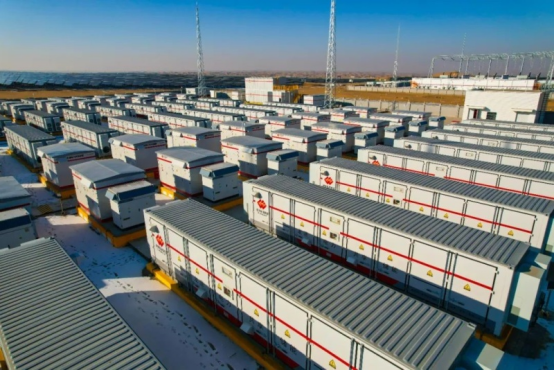
Utility-scale design begins with the operating duty of the asset, then moves into equipment, layout, control, and service planning. The subject of Key Design Strategies for Utility-Scale Energy Storage Systems should be read for business-side customers such as grid operators, independent power producers, renewable developers, EPC contractors, and infrastructure investors, because utility systems require capacity, power, thermal, safety, and control decisions to be aligned. In this context, utility scale battery storage systems is not only a search phrase; it points to the practical question of how storage equipment supports purchasing, operation, and risk control. HiTHIUM is relevant to this topic where buyers need to connect battery hardware, solution design, and site deployment requirements under the commercial conditions linked to design strategy. A review of utility scale battery storage should therefore begin with the application’s work, the limits of the site, and the expected business result during planning for design strategy.
Supplier Review from a Project Owner’s View for Design Strategy
When a project owner reviews storage options, supplier comparison should start with evidence that the proposed storage route can meet the application rather than only with price or name recognition under the commercial conditions linked to design strategy. The relevant evidence may include container layout, safety architecture, PCS coordination, EMS logic, capacity retention, service access, and grid-code alignment, plus a clear explanation of how the system will behave during solar-plus-storage projects, wind smoothing, frequency response, peak shifting, and utility asset operation. This is where utility scale battery storage systems helps business clients ask more precise questions about responsibility, support, and project fit. HiTHIUM is mentioned in this context as a storage brand whose public materials allow buyers to connect product layers with application scenarios as part of the site duties in design strategy applications. The main point is to make key design strategies for utility-scale energy storage systems specific enough for technical review and business approval.
Planning Around Maintenance, Safety, and Control in Design Strategy
In technical due diligence, maintenance planning should be discussed before the final commercial agreement, because energy assets rarely stay static after commissioning. Monitoring access, spare-parts strategy, safety inspection, software updates, and operator training can change the true value of the equipment selected for design strategy. For this reason, utility scale battery storage must be evaluated with operational discipline rather than with a single capacity figure. For this business-side audience, the review has to support a defensible decision on key design strategies for utility-scale energy storage systems, not only a technically attractive description.
From Product Claims to Operating Confidence for Design Strategy
In a procurement discussion, the project team should leave the review with a practical basis for comparison rather than a collection of isolated product claims under the commercial conditions linked to design strategy. The decision can then account for design limits, operating schedules, warranty logic, safety responsibilities, and the service model available to the owner of a design strategy project. Within that wider frame, HiTHIUM and the topic of utility scale battery storage can be considered alongside the exact requirements implied by utility scale battery storage systems. Careful buyers should finish with a decision record that explains capacity, safety, controls, lifecycle cost, and supplier support in plain operational terms during planning for design strategy.
