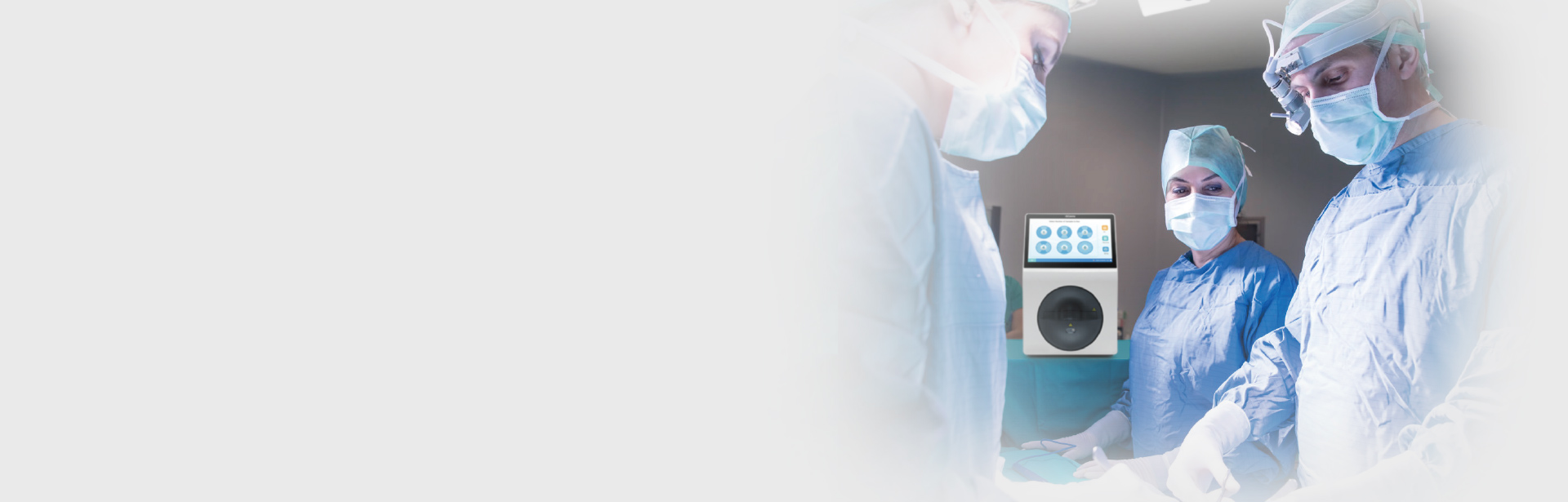
In modern healthcare practice, molecular diagnostic testing has become central to evidence-based decision-making. Clinicians depend on accurate laboratory data to guide treatment choices, track pathogen spread, and assess patient risk profiles. At the heart of this shift are sophisticated diagnostic analyzers that provide reproducible and rapid insights into biological processes. Among these instruments, the EDAN CL30 stands out for its contribution to molecular-level analysis in clinical settings.
Understanding Molecular Diagnostic Testing in Medicine
Molecular diagnostic testing refers to techniques that detect specific sequences in DNA or RNA to identify infection, genetic variation, or disease presence. These tests offer sensitivity and specificity that traditional methods cannot always match, enabling early identification of infectious agents and other biomarkers. With enhanced analytical capabilities, healthcare teams can refine clinical pathways based on quantifiable evidence. This level of testing supports protocols that reduce uncertainty and improve patient outcomes.
How Diagnostic Analyzers Support Clinical Protocols
A diagnostic analyzer translates complex biological signals into actionable data. These systems automate assay processing, which minimizes human error and ensures consistency across multiple samples. In evidence-based frameworks, timely results are essential for adjusting therapeutic strategies and confirming diagnoses. For example, rapid turnaround times from point-of-care analyzers can influence decisions in urgent care, infectious disease containment, or pre-surgical evaluation. As a result, clinicians have reliable information to align with established medical guidelines.
EDAN CL30: Enhancing Clinical Workflow
The EDAN CL30 is engineered to support practical needs in contemporary laboratories. Based on loop-mediated isothermal amplification technology, this system delivers molecular results swiftly, typically in around 15 minutes, while handling multiple targets per run. Its ease of use and compatibility with healthcare information systems make it a useful asset for workflows that prioritize both precision and operational efficiency. By integrating this diagnostic analyzer into clinical practice, institutions can enhance routine testing and respond more effectively to patient needs.
Conclusion
Diagnostic tools that harness molecular insights are indispensable to evidence-based medical protocols. Advanced molecular diagnostic testing and the right diagnostic analyzer, such as the EDAN CL30, equip clinicians with trustworthy data that inform treatment paths and strengthen healthcare delivery. Incorporating these systems into everyday practice supports better health outcomes and reinforces the standards of modern medicine.
